The Awami Nastaliq team has released updated versions of its fonts — Awami OT TechPre AutoKern and Awami OT TechPre MinKern — now available for download from the project’s GitHub repository.

These new OpenType-based versions offer improved compatibility and refined kerning, continuing the effort to preserve the elegance and authenticity of the Nastaliq script.

Download: [Awami Nastaliq GitHub Repository]

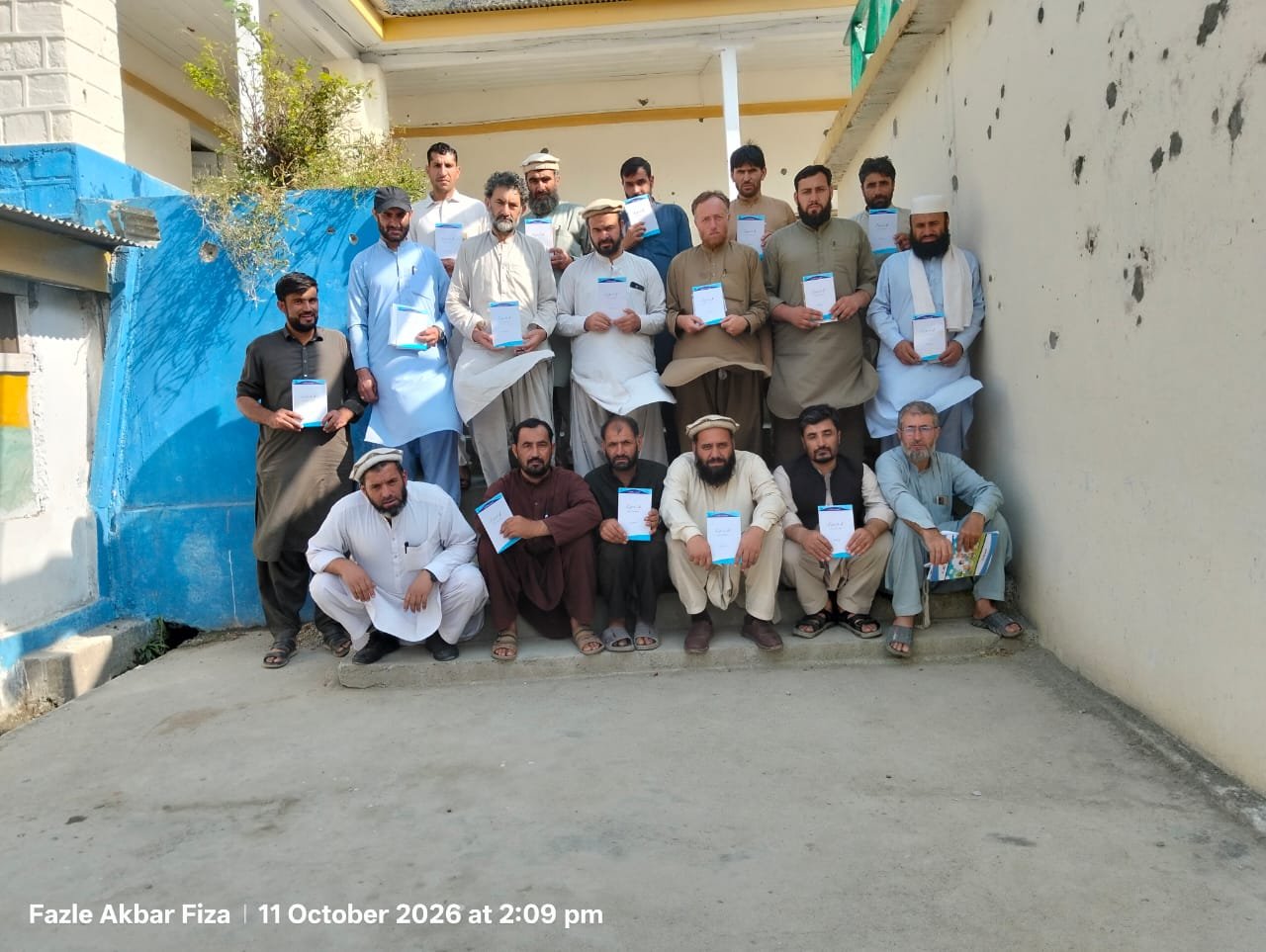
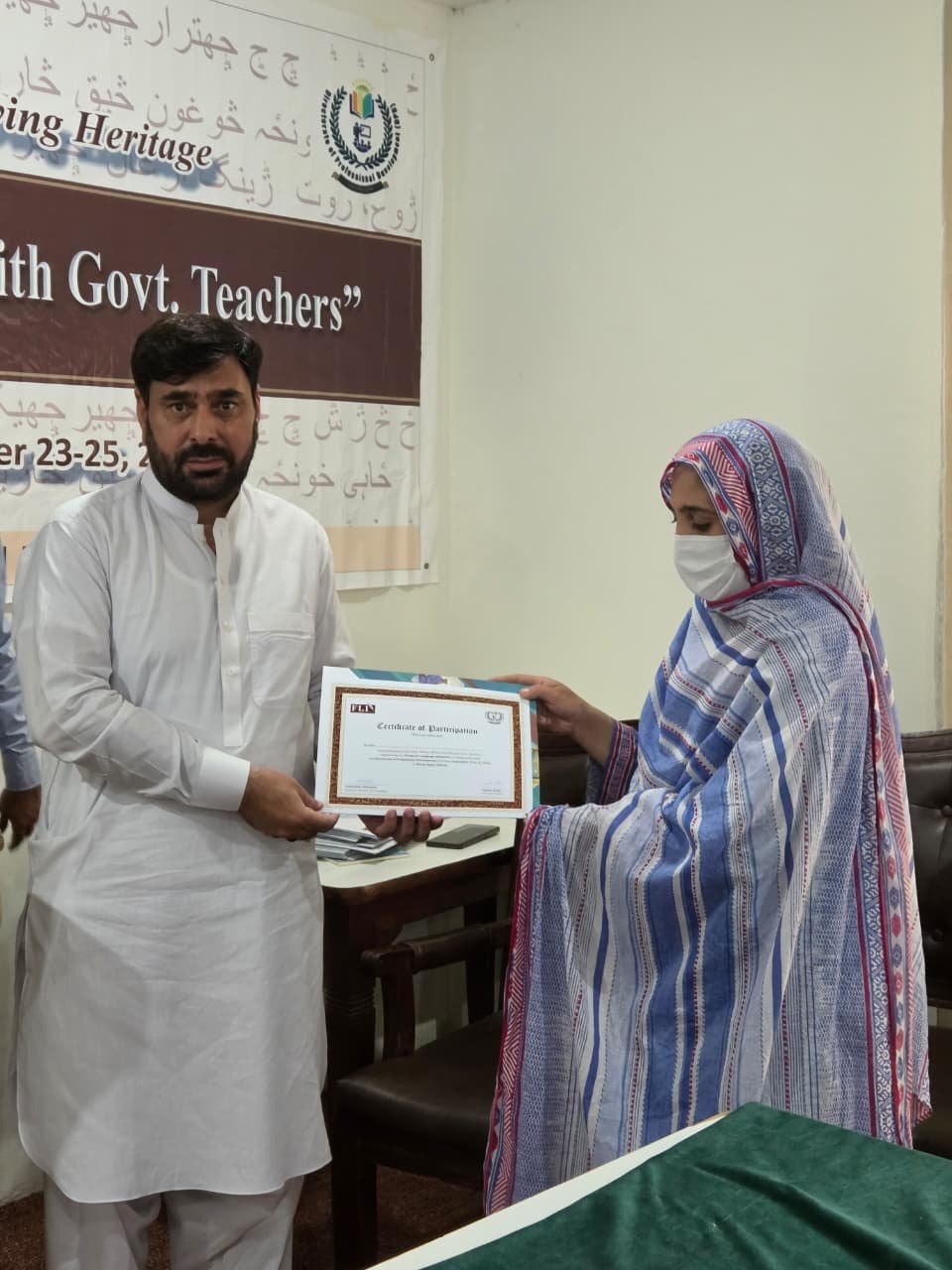
FLI’s three-day training workshop for government school teachers on Saraiki subject teaching successfully concluded in Dera Ismail Khan. The closing ceremony was marked by the distribution of certificates to both participants and trainers, who themselves are government school teachers. Representative from the Directorate of Professional Development, Mr. Muneerr Ali Shah distributed certificates.

The event took place at Mufti Mahmood School and College, a semi-government institution in D.I. Khan, in collaboration with the Directorate of Professional Development, Peshawar — a wing of the provincial education ministry. The workshop aimed to strengthen teachers’ capacity, particularly in mother tongue education.

The school’s principal, representatives of district education officers, and other dignitaries attended the event. Speakers on the occasion commended FLI’s efforts in enabling government school teachers to teach in their mother tongue. FLI’s Program Manager, Naseem Haider, announced that another training workshop is planned for the last quarter of the year to reach more teachers. He praised the participants for their attentive engagement and expressed gratitude to the local administration for their cooperation.

Saraiki is one of the four regional languages included in the Khyber Pakhtunkhwa government’s school curriculum. However, the lack of teacher training has slowed the implementation of this policy. FLI has stepped in to bridge this gap by equipping teachers with the skills needed to teach effectively in their mother tongue.

A total of 50 teachers — half of them women — participated in this workshop. The same number of teachers, with equal female representation, were trained in the last quarter of last year, and another 50 teachers are scheduled for training later this year.

This initiative marks another important step toward empowering educators and preserving regional languages through quality teaching. By strengthening teacher capacity, FLI continues to contribute to the promotion of linguistic diversity and cultural heritage in Pakistan’s education system.


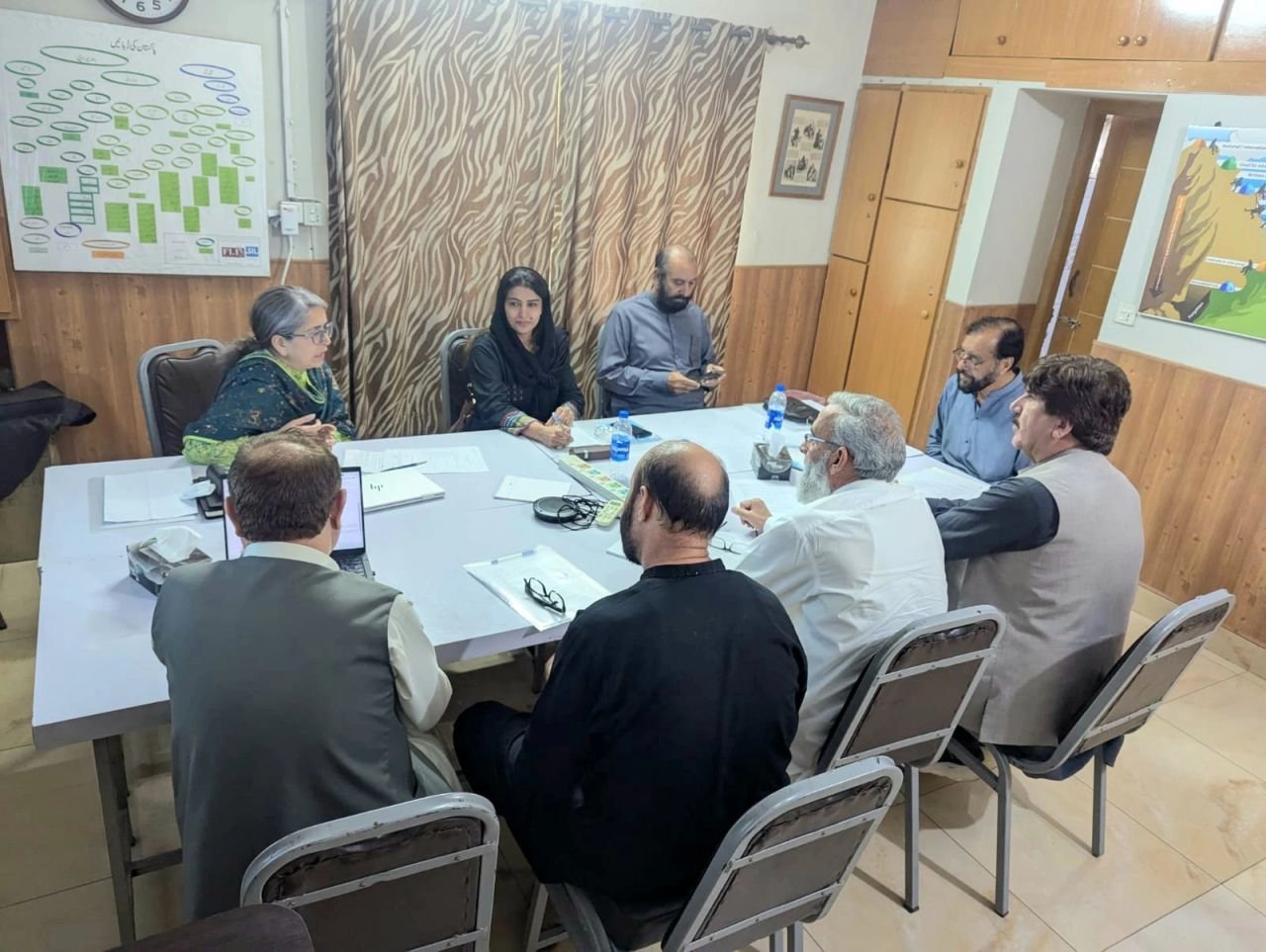
The Executive Board of FLI convened its annual meeting on April 12, 2026, with all seven board members and the Executive Director of the organization in attendance. Participants included Dr. M. K. Khan, Dr. Farhat Abdullah, Mr. Zulfiqar Khan, and Mr. Fazal Karim, while Ms. Fozia Qazi joined virtually via Zoom. The session was chaired by Mr. Rozi Khan Burki, Chairman of the Executive Board.

During the meeting, the Board approved the organization’s annual budget and reviewed FLI’s progress over the last year, highlighting achievements, addressing challenges, and setting priorities for the upcoming period. Updated policies were accepted for reviewed and additional measures were adopted to further strengthen organizational performance and impact.


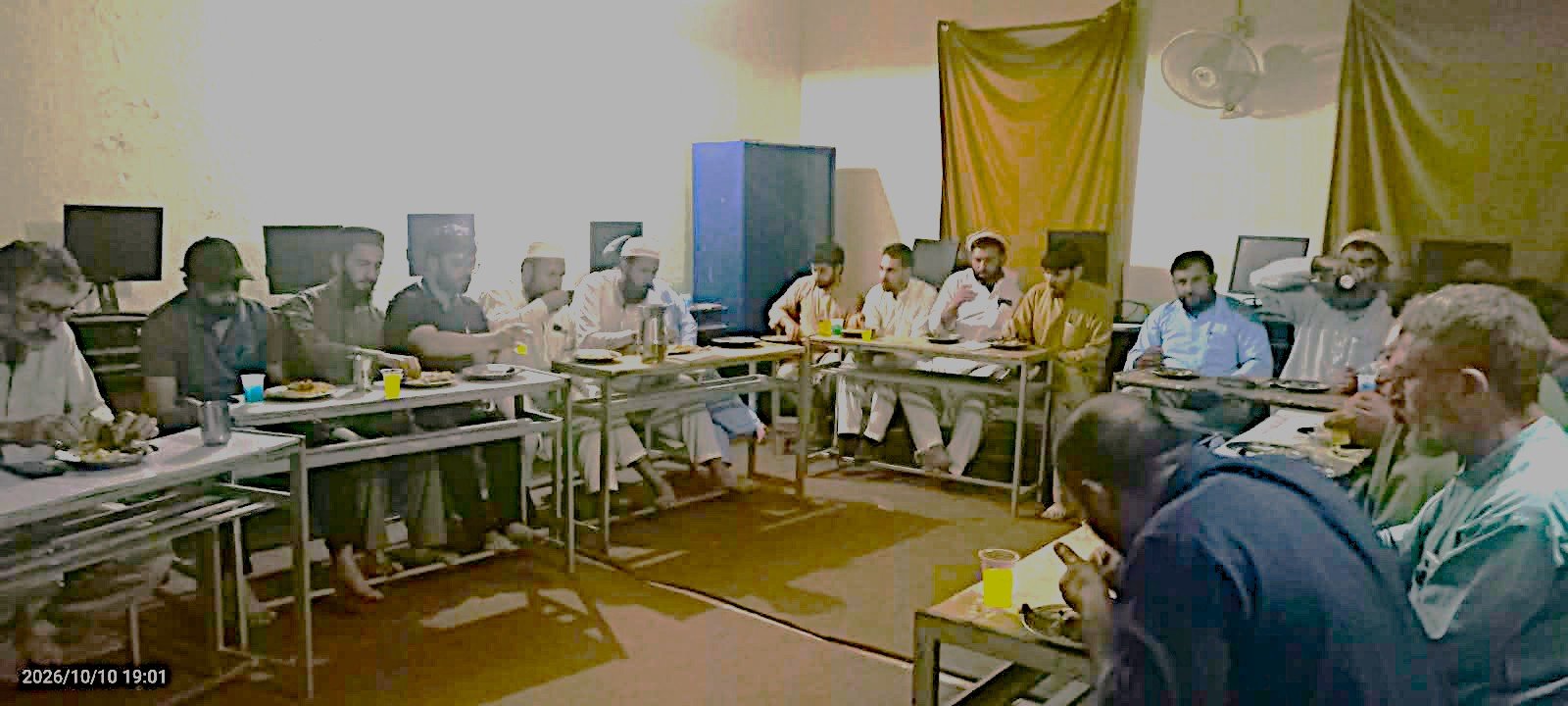
Islamabad, April 8, 2026 — The Forum for Language Initiatives (FLI) brought together its partners for a one-day summit in Islamabad, where 27 representatives from 16 language communities across northern Pakistan and the federal capital gathered to review last year’s achievements and chart the course for 2026.

Leadership and Vision

The summit was chaired by Rozi Khan Burki, Chairman of FLI’s Executive Board, who emphasized that language researchers are now empowered to lead development efforts thanks to FLI’s sustained support. Fakhruddin Akhunzada, FLI’s Executive Director, welcomed participants who braved the rainy weather to ensure full participation.

Keynote and Guest Addresses

The keynote address was delivered by Dr. Muhammad Kamal, Head of English at Allama Iqbal Open University and FLI board member, who highlighted the importance of strengthening multilingualism, diversity, and language preservation.
For the first time, Munawar from the Indus Cultural Forum (ICF) joined the summit, praising FLI’s role in promoting cultural diversity and pledging continued collaboration. A guest from UNESCO’s Esperanto language program also introduced participants to this artificial language, sparking dialogue on global linguistic innovation. Assistant Registrar Open University, Ms. Bibi Yasmin also graced with her presence.

Partner Presentations

In the second session, partners delivered 13 presentations showcasing progress since last year’s meeting. They shared insights on:

  • Using social media to engage youth in language work
  • The role of poetry in language revival
  • Advocacy strategies to mobilize communities
  • How local leadership can influence language preservation efforts

Outcomes and Commitments

The summit concluded with a collective pledge to:

  • Work jointly on heritage language preservation
  • Ensure gender-balanced approaches
  • Continue sharing knowledge and strategies in the days ahead

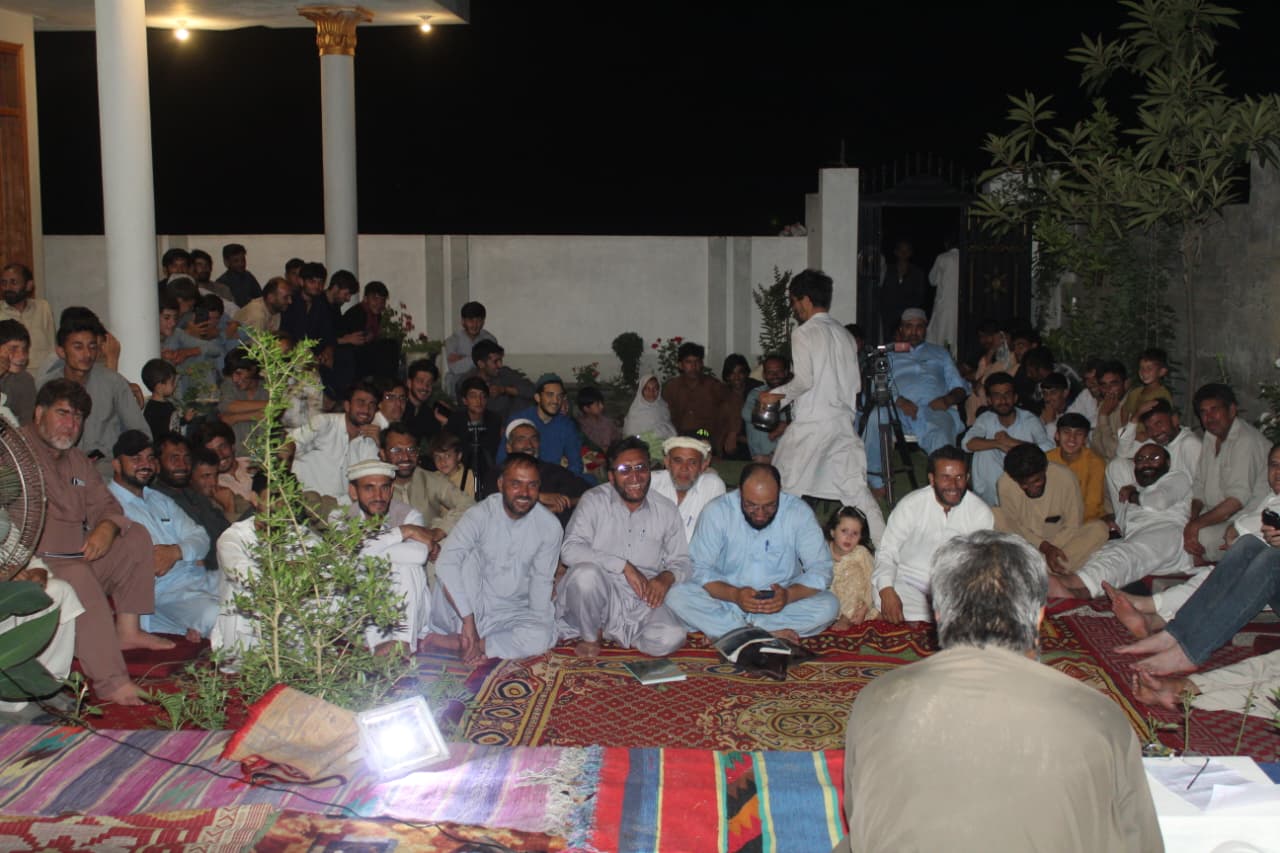
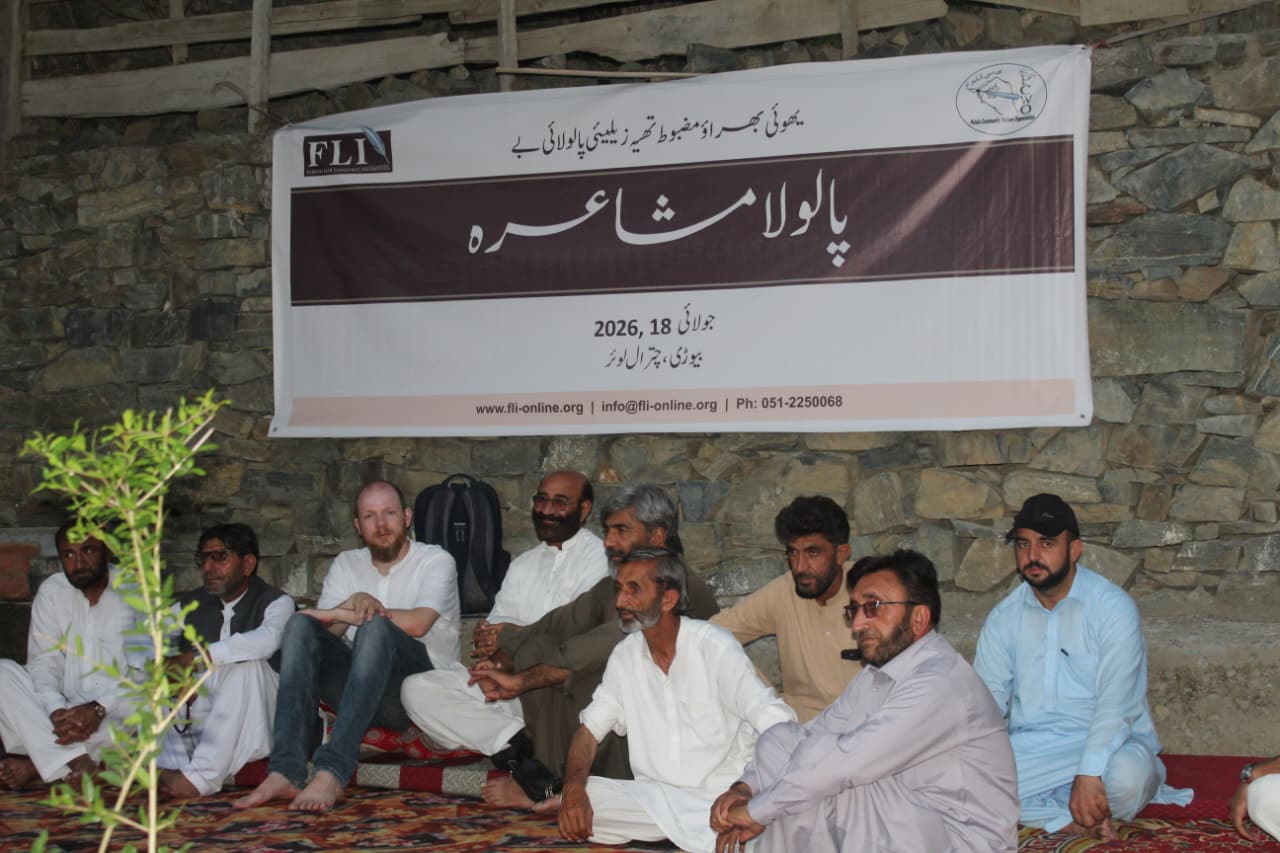
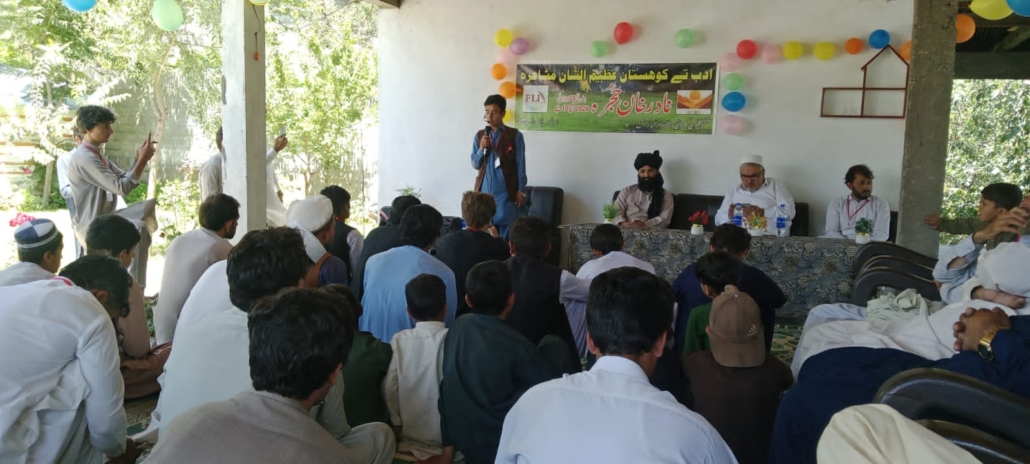
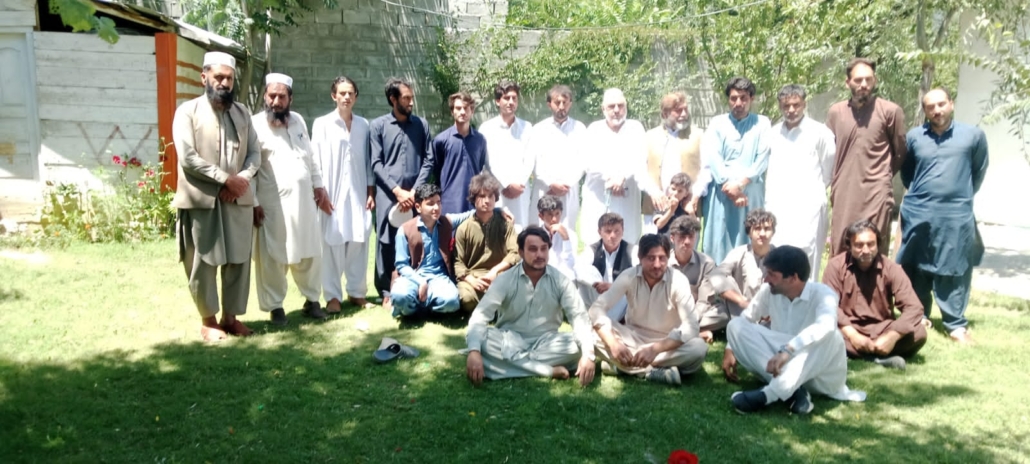
FLI organized a three‑day workshop for Palula poets, enabling them to create content and write in their own language. Palula, spoken in southern Chitral by around 15,000 people, has long been a focus of FLI’s educational and literacy initiatives.

Over the years, FLI implemented its flagship multilingual education program in Palula, followed by a successful adult literacy project. Building on this foundation, FLI has now launched a one‑year Poetry Promotion Project in collaboration with the Palula Community Welfare Organization. Earlier this year, both organizations signed a Memorandum of Understanding to strengthen Palula poets’ digital capacity for creative documentation.

The first activity under this project introduced poets to a wide range of skills:

  • Palula Orthography Standardization – establishing consistent writing practices
  • Phonology – detailed sessions on vowels and diphthongs
  • Language & Technology – exploring linguistic work with digital tools
  • Creative Documentation Basics – techniques for preserving cultural content
  • Social Media Creation & Use – practical guidance for online presence
  • Video Editing – hands‑on training with accessible tools
  • Applied Practice – direct engagement with editing software and platforms

A total of 23 Palula poets participated in this workshop, which combined linguistic standardization with practical training in modern technology. The program was designed to enhance their creative development and digital skills, ensuring that Palula poetry continues to thrive in both traditional and digital spaces.

We are pleased to share our Annual Report, capturing a year of growth, and collaboration. This publication highlights the initiatives we undertook, the communities we engaged, and the progress achieved in advancing cultural preservation, strengthening and inclusive development.
The report reflects not only our organizational milestones but also the collective spirit of partners, supporters, and communities who make this journey possible. We invite you to read through the stories, data, and reflections that illustrate how shared commitment can create lasting impact.

E-version: https://heyzine.com/flip-book/f4cb098cac.html#page/1

Download from HERE

Lower Chitral witnessed a celebration of cultural heritage during the first week of February 2026, as the Pathak Festival was organized for the third consecutive year with the support of the Forum for Language Initiatives (FLI). The festival, held in the Yadgha-speaking region, honored the spiritual legacy of Pir Nasir Khusro, a revered Sufi saint whose contributions continue to inspire cultural and spiritual life in the valley.

The event was hosted by FLI’s local partner, the Yadgha Development Network (YDN), and brought together scores of Yadgha-speaking community members—elders, youth, and women from diverse walks of life. The festival served as a cultural gala, showcasing the richness of Yadgha traditions through poetry recitals, musical performances, and speeches delivered in the Yadgha language.

Participants expressed heartfelt gratitude to FLI for its continued support in preserving and promoting their endangered language. Yadgha, spoken in southern Chitral, is recognized as one of the highly endangered languages of the region. Through sustained interventions—including documentation, training, and cultural events—FLI has been working to safeguard this linguistic heritage. Supporting the Pathak Festival is one of the key initiatives in this broader effort.

The festival not only celebrated the spiritual and cultural legacy of Pir Nasir Khusro but also reaffirmed the community’s commitment to keeping the Yadgha language alive for future generations.

Islamabad | January 31, 2026
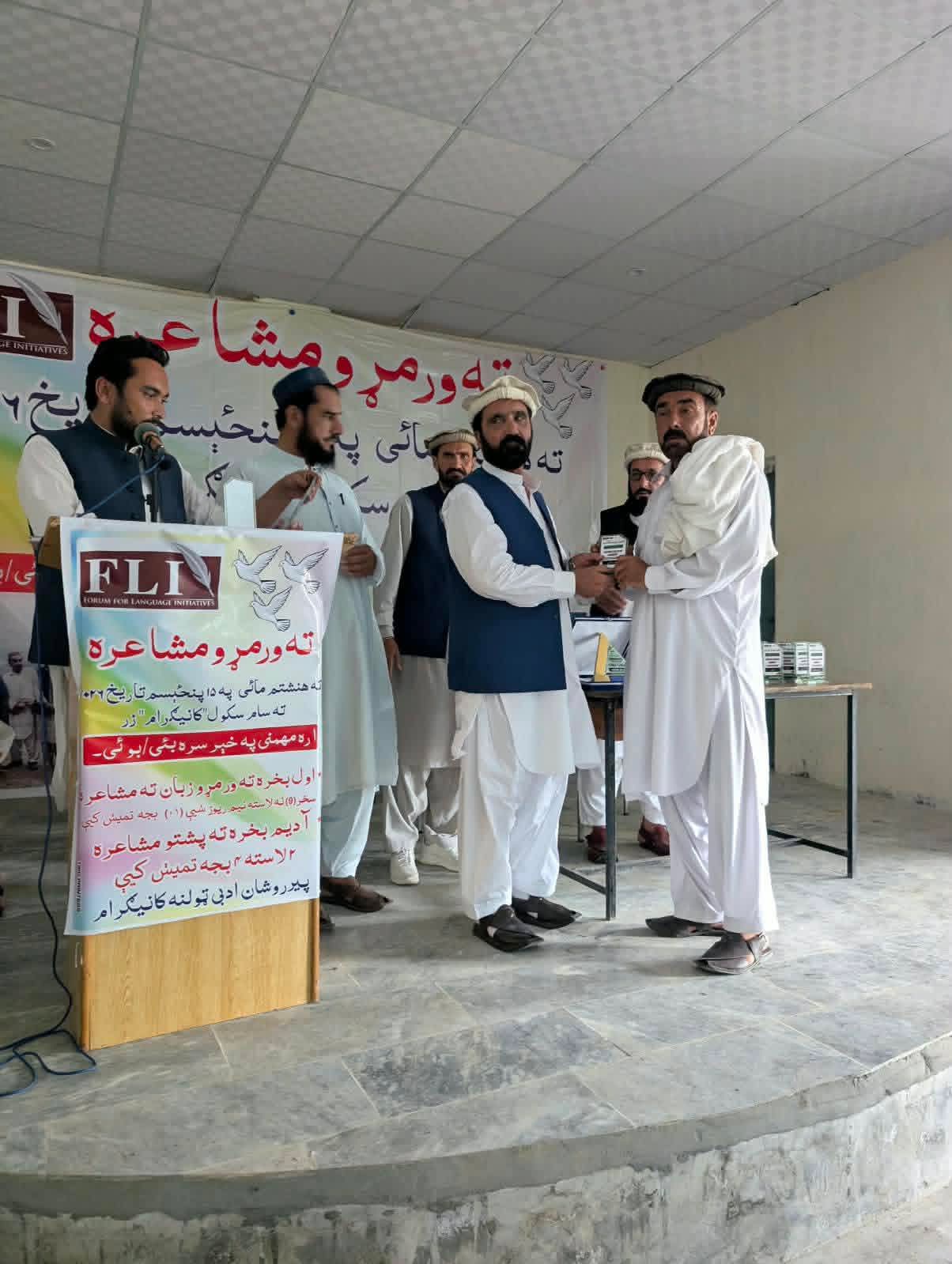
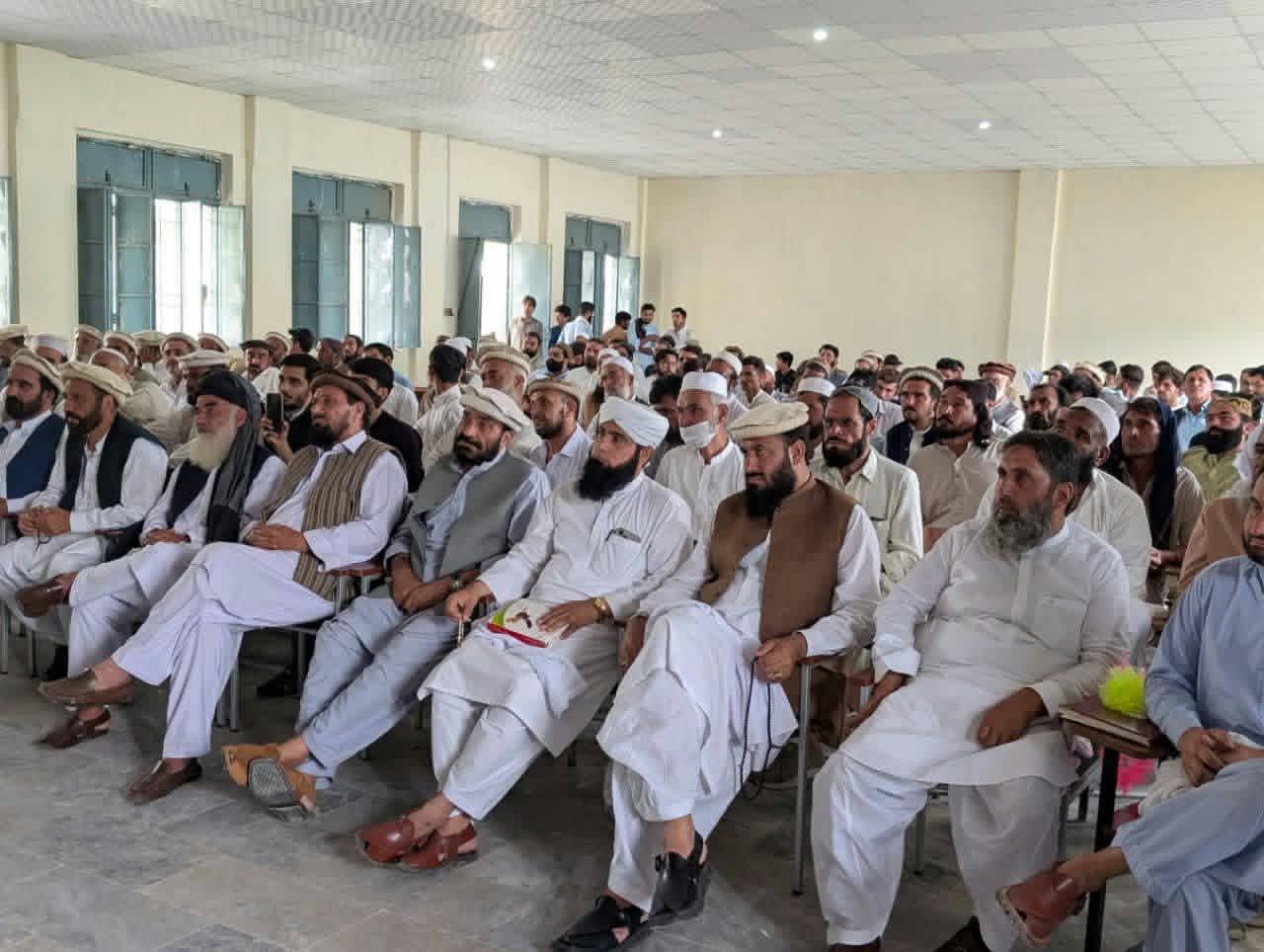
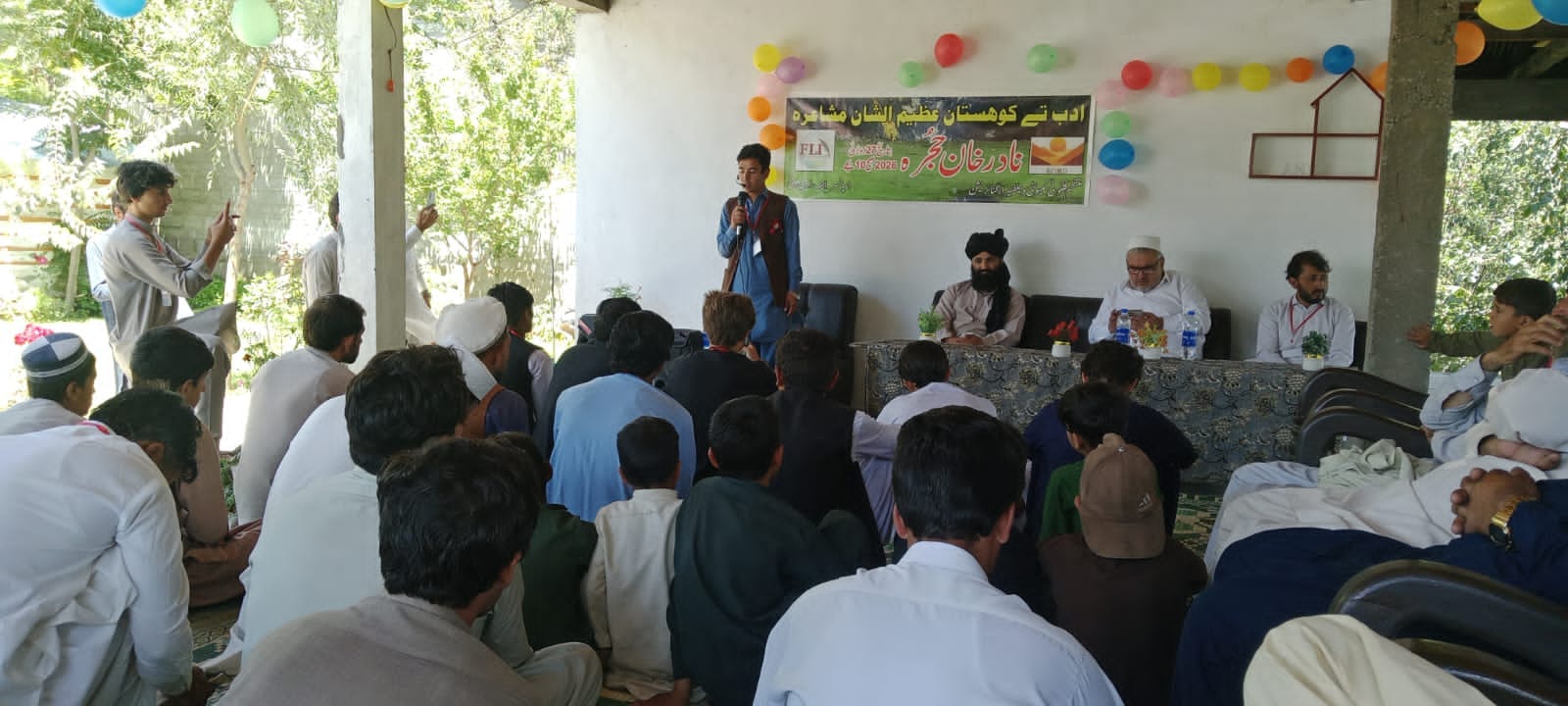
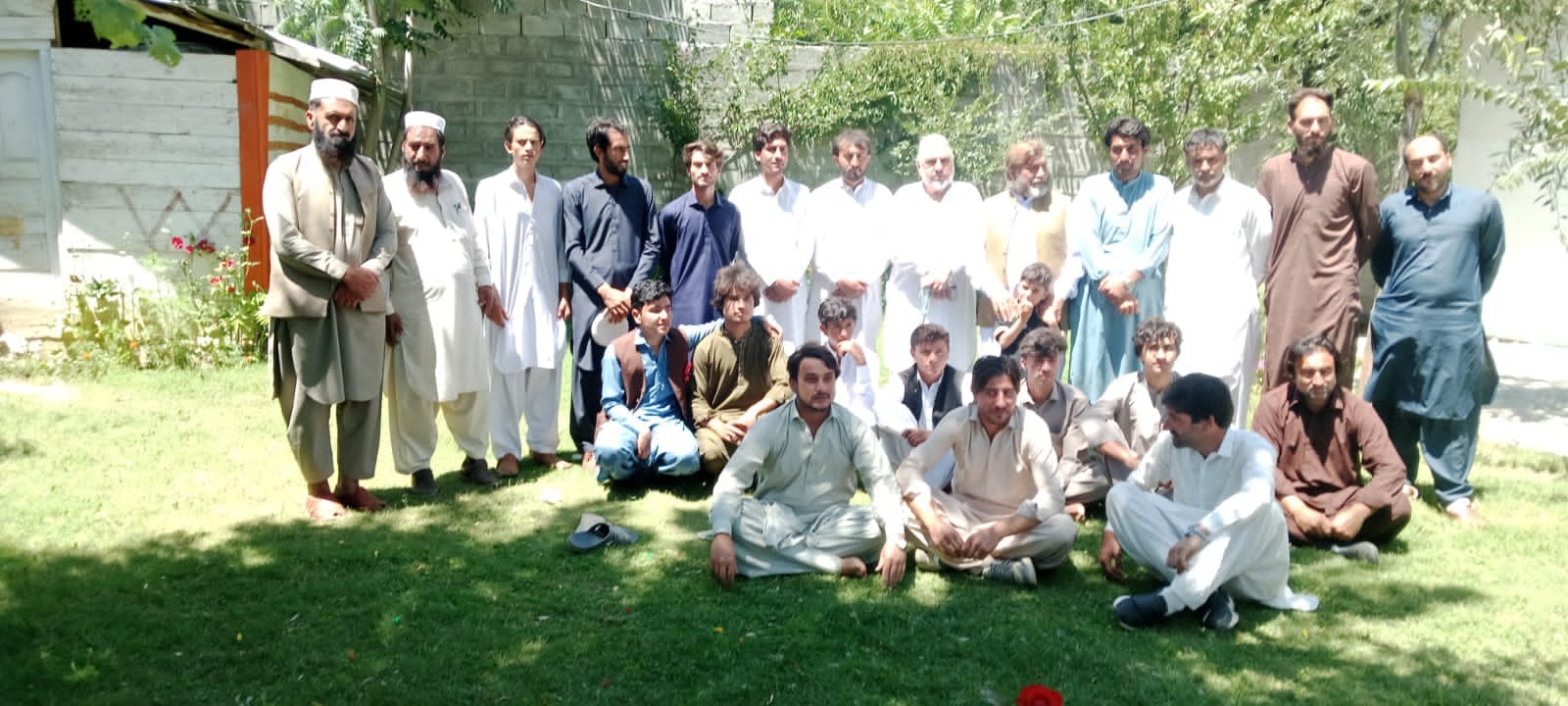
FLI has launched a new project to promote poetry in the Ormuri and Palula languages. The initiative marks another milestone in FLI’s ongoing efforts to strengthen indigenous languages through creative and cultural expression.
The first activity of the project has begun at FLI’s Islamabad office, where a three-day training is underway for individuals directly involved in the program. Two representatives from Ormuri and two from Palula are participating in this training, which is designed to build their skills in both digital and print documentation of poetry. By the end of the program, participants will also be equipped to use social media platforms to share their work and celebrate the richness of their languages and cultures.
Earlier, following thorough discussions, FLI entered into agreements with both target language communities—Ormuri and Palula—leading to the conception of this poetry promotion project. The training aims to empower and equip community members with the necessary resources to implement the initiative effectively.
Both languages are spoken by around 20,000 people each in their respective regions. Palula, spoken in southern Chitral, has long been a literary language within FLI’s focus, while Ormuri, spoken in the Kaniguram area of South Waziristan Upper, has also been a part of FLI’s language development work.
This poetry promotion project is expected to enrich the literary traditions of both languages, strengthen cultural identity, and inspire participation across all age groups within the communities—contributing to the broader goal of language revival and preservation.

January 22, 2026.

The Forum for Language Initiatives (FLI) has signed a Memorandum of Understanding (MoU) with the Palula Community Welfare Organization (PCWO), marking an important step in our commitment to promoting indigenous poetry. Qazi Israr, President of PCWO, signed MoU on behalf of the Palula community.

FLI previously consulted closely with both the Palula and Ormuri communities to design the Poetry Promotion Project; an MoU with the Ormuri community had already been signed, and this agreement with PCWO is the second under the initiative. Before the ceremony, FLI oriented the PCWO delegation on the project’s goals and activities, and both sides reviewed and agreed on the plan point by point.

The one‑year project will focus on promoting poetry in Ormuri and Palula languages, supporting local poets, documenting oral traditions, and building community capacity for cultural preservation.

FLI is proud to present a devotional song in the Shina language, created to celebrate the spiritual and cultural heritage of Shina-speaking communities and to inspire a new generation to reconnect with their mother tongue. This recording blends traditional melody with accessible production so young listeners can both enjoy the music and feel a renewed sense of belonging to their language and culture.

The song is offered as a small, mystical gift: a moment of reflection, a bridge between elders and youth, and a creative example of how language can live in contemporary media. It is part of FLI’s wider effort to promote mother-tongue use across social and cultural domains, and to support projects that strengthen identity, pride, and intergenerational transmission.

Why this matters

Shina is one of the many indigenous languages of northern Pakistan that carries unique histories, songs, and spiritual practices. Creative works like this devotional song help keep those traditions alive by making them relevant and shareable for younger audiences. Music is a powerful tool for language revitalization: it travels easily, invites participation, and creates emotional connections that textbooks cannot.

Watch and listen by clicking HERE